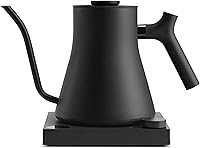
What Does No Plastic Mean on an Electric Kettle?
An electric kettle with no plastic contact keeps water away from plastic inside the vessel, but exterior parts may still contain plastic. Check the interior, lid, spout, filter, and gauge, then confirm steam-path materials if those matter to you.
On this page (7 sections)
- What does “no plastic” mean on an electric kettle?
- Which kettle parts should you check for plastic?
- What do “BPA-free” and “no plastic contact” tell you?
- Which no-plastic electric kettle suits your routine?
- How should you compare capacity, controls, and access?
- How do you set up and care for a no-plastic kettle?
- Which electric kettle with no plastic contact should you choose?
An electric kettle with no plastic contact keeps water away from plastic inside the vessel, but it may still have plastic exterior parts. Check the lid, spout, filter, and water gauge as well as the main interior.
For these 4 Cosori options, the useful buying split is temperature control, a clearly described metal water path, visible water through glass, or a double-wall body. Choose the function you'll use each day after checking the materials that matter to you.
What does “no plastic” mean on an electric kettle?
It usually means no plastic contact with water, rather than an appliance made entirely without plastic. Handles, bases, and controls can use plastic outside the water path.
A stainless-steel inner wall is only part of the picture. Water can reach the lid underside during boiling and passes through the filter and spout when you pour.
Treat water contact and steam contact as separate questions. A claim about the vessel does not automatically cover an internal steam channel used for shutoff.
Our guide to stainless steel electric kettles explains more about choosing a metal vessel.
Which kettle parts should you check for plastic?
Check the full water path, from the bottom of the vessel to the end of the spout. Exterior color and a metal-looking body won't tell you what touches the water.
- Inner wall and bottom: These hold the water during heating.
- Lid underside: Splashes and condensed steam can reach this surface.
- Spout and filter: Your drinking water passes through them.
- Water-level indicator: Check any separate window or gauge, not just the main wall.
- Steam path: Confirm its materials separately if steam contact matters to you.
A plastic handle does not, by itself, rule out a plastic-free water path. However, some kettles route steam through a channel inside the handle, so its visible outer material doesn't answer every question.
For the practical differences between the main vessel materials, read glass vs. stainless-steel electric kettles.
What do “BPA-free” and “no plastic contact” tell you?
BPA-free does not mean plastic-free. It concerns BPA, while “no plastic contact with water” describes which materials touch the water.
If avoiding water contact with plastic is your goal, choose clear information about each contact surface over a BPA-free label alone. Neither phrase proves a health benefit or replaces safe filling, pouring, and cleaning.
Our overview of electric kettle safety covers the use questions that a materials claim cannot answer.
Which no-plastic electric kettle suits your routine?
Choose temperature control for varied drinks, glass for visibility, or steel for a metal vessel. All 4 options below keep water from contacting plastic, but their controls and construction suit different routines.
Which no-plastic electric kettle suits tea and coffee drinkers?
The Cosori Stainless Temperature Kettle 1.7L suits people who want adjustable heat alongside an all-metal interior. Its 5 presets cover boiling, black tea, oolong tea, green tea, and coffee.
You can select temperatures from 105°F to 212°F in 5°F steps. That makes it a better fit for someone who follows different brewing temperatures than someone who only boils water for instant meals.
The internal water-level indicator helps with filling, while 2 lid-opening angles provide access for cleaning. You can also switch temperature units and mute alerts, useful when different household members share the kettle or you make drinks early.
Skip it if you only need a boil switch. It weighs 3.7 lb before adding water, making empty weight worth considering if lifting a full kettle is difficult.
Which kettle suits buyers who want clearly identified metal parts?
The Cosori Stainless Kettle 1.7L Plastic-Free suits buyers who want specific water-contact materials without adjustable brewing temperatures. Its interior, spout, inner lid, and filter use 304 stainless steel.
Plastic-free internal water-level markings complete that material picture. Choose this model for routine boiling when you don't want to manage presets or heat settings.
It includes automatic shutoff and boil-dry protection, but the interior markings mean you'll look inside to check the fill level. Skip it if seeing water through the side is a priority, or choose the temperature model if lower heat settings are central to your routine.
Cosori instructs users not to tilt this kettle backward because water can enter the steam mechanism. Pour forward through the spout and keep water below the maximum mark.
Which option suits buyers who want to see the water?
The Cosori No Plastic Kettle 1.7L suits people who prefer a visible water level through a borosilicate glass vessel. Its filter and inner lid are stainless steel.
The wide mouth and large-angle lid give you room to reach inside for cleaning. Automatic shutoff and boil-dry protection support routine boiling, while the clear body makes deposits easier to spot.
Choose it if a quick glance at the vessel is more convenient than opening a lid to inspect internal markings. Skip it if visible mineral marks will bother you or you prefer steel because you don't want a glass vessel.
Give glass space around the sink during filling and washing. Avoid knocking it against a faucet, and let a hot kettle cool before cleaning rather than exposing it to a sudden temperature change.
Which option suits buyers who prefer a double-wall body?
The Cosori Stainless Kettle 1.5L Plastic-Free suits buyers who prefer double-wall steel construction and can accept less capacity. Its water-contact surfaces use food-grade 304 stainless steel.
Cosori says the double walls help retain heat. This is useful if you pour a second cup soon after the first, but insulation is different from an active keep-warm setting.
The lid opens to 45° with its button and can be raised to 80° for filling and cleaning. Its inner shell has no joining crevices to work around when wiping away deposits.
Skip it if you regularly need the larger models' full capacity. Don't choose it for a promise of a cold exterior: Cosori cautions that the shell can still get hot, so lift and pour using the handle.
How should you compare capacity, controls, and access?
Choose capacity for your usual batch and controls for your usual drink. A materials preference should narrow your choices without leaving you with a kettle that's awkward to use.
Match capacity to the water you actually need
Measure your usual mugs or teapot with water before choosing. The difference between the smaller model and the larger options matters most when you regularly fill close to the maximum.
A larger kettle doesn't need to be filled completely for every use. Heat the amount you need while staying above the model's minimum fill mark.
Pay for temperature selection when you'll use it
Choose adjustable heat if your tea or coffee routine calls for water below boiling. If you mostly make drinks or food that need boiling water, simpler controls are enough.
Our guide to electric kettles with temperature control explains how to compare presets with adjustable settings.
Check lifting and lid clearance
Allow space above the kettle to open the lid, not just enough counter space for its base. Add the weight of your usual water batch when judging whether the kettle will be comfortable to lift.
Easy cleaning access matters more than an attractive finish. A kettle you can reach inside is simpler to wipe, especially in a hard-water area.
How do you set up and care for a no-plastic kettle?
Follow the model's first-use instructions, keep the electrical parts dry, and remove scale as needed. Metal or glass water-contact surfaces still need regular care.
Before the first drink, inspect the inside and complete any rinse or boil-and-discard steps in the manual. Set the base on a dry, stable surface with room for steam to escape.
Fill while the kettle is off its base, stay between the fill marks, and close the lid as directed. Filling past the maximum can cause splashing and send water where it doesn't belong.
Use these kettles for water, and brew tea or mix milk-based drinks in a separate cup or pot. Residue from other liquids makes cleaning harder and can interfere with normal operation.
Let the kettle cool, unplug it, and hand wash as instructed. Don't immerse the base or electrical connections, and avoid abrasive tools that can scratch the interior.
Mineral spots can appear quickly in hard-water areas. Use our guides to cleaning an electric kettle and descaling an electric kettle alongside your model's instructions.
Which electric kettle with no plastic contact should you choose?
Choose the temperature model for varied brewing, the standard stainless model for a clearly described metal water path, or the glass model for visibility. Choose the double-wall model when insulation matters more than maximum capacity.
If avoiding plastic contact with steam is a firm requirement, confirm the steam-path materials before ordering. None of the water-contact descriptions here settles that separate question.
Once the materials meet your preference, make the final choice on pouring, filling, and the drinks you make most. Our electric kettle buying guide helps you weigh those daily-use details.
Frequently asked questions
Does no plastic mean an electric kettle has no plastic parts?
No, the phrase usually describes the surfaces that contact water, rather than every part of the kettle. Check the interior, lid underside, spout, filter, and water-level indicator separately from the handle, base, and controls, which may contain plastic without touching the water you pour.
Can a kettle have a plastic handle and no plastic contact with water?
Yes, a plastic handle can sit outside a kettle's water path while metal or glass surfaces hold and pour the water. If your goal also includes avoiding plastic contact with steam, confirm the materials inside any steam channel; the visible handle alone cannot answer that question.
What parts of an electric kettle can touch water?
Water can touch the inner wall, bottom, lid underside, spout, filter, and water-level gauge as you fill, boil, and pour. Steam may also travel through a separate channel for automatic shutoff, so a claim about the vessel's interior should not be assumed to cover that channel.
Is stainless steel the same as plastic-free?
No, stainless steel describes a material, while plastic-free water contact describes the full path your water takes. A steel vessel can still have other materials at the lid, filter, spout, or gauge, so check those parts before choosing a kettle based only on its main body.