Glass vs Stainless Steel Electric Kettle: Which Is Better? (October 2026)
For a glass vs stainless steel electric kettle, choose glass for visible filling or an all-metal interior to avoid plastic contact with water. The OXO suits readers who want to see the water and select a temperature; the Cosori suits readers who prefer presets and a stainless steel interior.
On this page (10 sections)
- Glass vs stainless steel electric kettle: which should you choose?
- Who should buy the glass OXO, and who should skip it?
- Who should buy the stainless steel Cosori, and who should skip it?
- Does either material make water taste better or avoid plastic?
- Which controls work better for tea and coffee?
- How much space and capacity do you need?
- How should you set up and fill either kettle?
- Which kettle is easier to clean and descale?
- What mistakes should you avoid with glass and steel kettles?
- Which electric kettle should you buy?
Choose glass for water-level visibility or stainless steel with an all-metal interior to avoid plastic touching the water. For this glass vs stainless steel electric kettle comparison, the OXO favors visible filling and dial controls, while the Cosori favors drink presets and a metal interior.
Material should settle your main preference, but the daily routine should settle the model. Think about where you'll fill it, how you'll choose a brewing temperature and whether you'll empty it after breakfast or return for another cup.

 Best for avoiding plastic contact
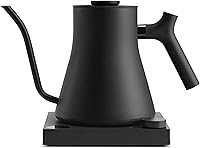
Cosori Stainless Temperature Kettle 1.7L
Glass vs stainless steel electric kettle: which should you choose?
Pick the OXO for watching the fill level and the Cosori for avoiding plastic contact with water. Both offer temperature control, so you don't need to choose glass or steel just to move beyond a basic boil switch.
A glass body makes the water visible from outside. That helps if you dislike opening a lid and leaning over a kettle to check how much remains.
Stainless steel suits a kitchen where a glass vessel would face frequent bumps. Steel can still dent, and an electric kettle still contains parts that need careful handling.
The distinction is also narrower than it first appears: the OXO combines glass with a stainless steel filter. Choose by the parts that matter to your use, rather than expecting the entire appliance to be one material.
Glass vs stainless steel electric kettle: quick comparison
| Feature | OXO Brew Adjustable Temperature Kettle | Cosori Stainless Temperature Kettle 1.7L |
|---|---|---|
| Main material | Borosilicate glass | Stainless steel |
| Capacity | 1.75 L | 1.7 L |
| Temperature range | 104°F to 212°F | 105°F to 212°F with ±5°F adjustment |
| Controls | One dial and a backlit screen | 5 presets plus temperature adjustment |
| Hold function | Up to 30 minutes | 60-minute keep warm |
| Fill check | Visible body with ounce and milliliter markings | Internal water-level indicator |
| Cleaning access | Generous opening and removable steel filter | Wide lid opening; hand wash only |
Who should buy the glass OXO, and who should skip it?
The OXO suits people who want to see what they're filling and choose a specific brewing temperature. Its clear body lets you check the remaining water without opening the lid, while the measurement markings help you avoid filling far more than you need.
That combination is useful when your routine changes from a single mug to several drinks. Measure your usual mug once, then use the kettle's markings while staying within its minimum and maximum fill limits.
The removable perforated filter gives you access to a part that can collect mineral debris. It strains water during pouring, but it doesn't replace descaling or turn tap water into purified water.
OXO describes the borosilicate glass as offering thermal-shock protection. Treat that as a reason to follow normal hot-water care, rather than permission to knock the vessel against a faucet or rinse it hot with cold water.
Skip the OXO if glass would make you uneasy every morning. A crowded sink, limited space beside the faucet or frequent knocks from nearby dishes can make a steel body a more comfortable choice.
Also choose the Cosori instead if confirmed no-plastic water contact is your deciding requirement. A glass body alone doesn't answer that question.
Who should buy the stainless steel Cosori, and who should skip it?
The Cosori suits buyers who want an all-metal water-contact interior and quick access to drink settings. Its 304 stainless steel interior has no plastic parts touching the water.
That is a clear reason to choose this model if avoiding plastic contact matters more than seeing the water from across the counter. It describes the interior, not every part of the handle, controls or base.
Its presets cover boiling, black tea, oolong tea, green tea and coffee. Those shortcuts suit a household that repeats the same drinks and wants a familiar button rather than a fresh temperature choice each time.
The option to mute alerts is useful when someone makes an early drink near sleeping family members. Switching between Fahrenheit and Celsius also helps if your tea or coffee instructions use different units.
Skip the Cosori if you want an outside view of the fill level. You'll need to open it and look inside when checking the internal indicator.
Its hand-wash requirement also belongs in your decision. For alternatives with different controls and designs, see our guide to the best stainless steel electric kettles.
Does either material make water taste better or avoid plastic?
Neither material guarantees better-tasting water, and the complete interior determines plastic contact. Fresh water, clean surfaces and a thorough rinse after descaling matter with either kettle.
Start by separating 2 questions: what material forms the vessel, and what touches the water as it heats or pours? A steel exterior can surround other materials, just as a glass vessel can include a metal heating surface or filter.
If plastic contact is your concern, check the lid underside, spout, filter supports and seals as well as the main chamber. The Cosori's no-plastic-contact design makes it the clearer choice between these 2 models for that requirement.
Don't assume a new kettle will solve an existing water flavor problem. If the same water tastes unpleasant before heating, changing the vessel may leave the main cause untouched.
Our guide to what “no plastic” means on an electric kettle explains which parts deserve attention. Use material claims to choose the interior you want, without treating them as a promise about flavor.
Which controls work better for tea and coffee?
Choose a dial for following a specific temperature and presets for repeating a familiar drink. The useful difference is how you reach your setting, rather than glass versus steel.
The OXO's screen shows when the chosen temperature is reached. Its single dial suits readers who follow brewing instructions that call for a number rather than a drink label.
The Cosori's shortcuts reduce the steps for common drinks, while its adjustable settings allow changes when needed. The ±5°F adjustment description concerns temperature adjustment; don't read it as a separate promise of measurement accuracy.
Start with the instructions on your tea or coffee package. Tea styles vary, so a preset named after a broad category is a starting point rather than a rule for every blend.
Temperature control also doesn't provide the narrow, directed pour of a gooseneck spout. If your main task is slow pour-over brewing, consider pouring control alongside heating features.
For more detail, read our electric kettle temperature guide or compare electric kettles with temperature control. For a broader overview of shapes, controls and uses, start with the electric kettle buying guide.
How much space and capacity do you need?
Measure your counter and your usual batch before choosing. These kettles hold almost the same amount, so a small capacity difference should carry less weight than clearance, filling access and how often you make drinks.
The OXO measures 10.5 × 8 × 13.5 inches, while the Cosori measures 9.1 × 6.7 × 10.2 inches. Leave extra space to open the lid, lift the kettle and keep steam away from cabinets.
Think through the route from the sink to the base. A clear path matters more than matching the kettle's finish to other appliances.
Check the kettle's minimum fill mark against your smallest usual drink. A large vessel can still suit a single person, but only if the amount you normally heat meets its operating instructions.
If several people drink at different times, the Cosori's longer warm period may be useful. If everyone pours together, that extra time may add little to your routine.
Our guide to choosing an electric kettle size helps you work from mug size and household use rather than choosing the biggest vessel available.
How should you set up and fill either kettle?
Start with the manual's first-use cleaning steps, then place the base on a dry, level surface. Keep the cord away from the counter edge and leave enough room for steam to escape clear of cupboards.
Inspect the vessel, lid and base before the first fill. Don't use a glass kettle with chips or cracks, or any electric kettle with a damaged cord or wet electrical connections.
Fill with fresh drinking water between the marked limits. Too little can leave the kettle operating outside its intended conditions, while too much can cause hot water to escape during boiling or pouring.
Close the lid as directed before heating. Keep your face and hands away from the steam path, even when a lid opens slowly or has a smaller opening intended to reduce splashes.
The OXO lifts off its swivel base for carrying and pouring. Its handle is designed to stay cool, but the glass, water and steam still need careful handling.
The Cosori's wide lid position helps with filling, while the smaller position helps limit splashes. Open any hot kettle cautiously, and let it cool before reaching inside to clean.
Which kettle is easier to clean and descale?
Glass is easier to inspect from outside; cleaning access determines how easily you can reach deposits. Either material can collect mineral scale, especially when you regularly heat hard water.
A clear vessel makes the buildup more noticeable. A steel vessel hides the view from outside, so open it and inspect the bottom as part of your routine.
Use the manufacturer's approved descaling method and dilution. Rinse thoroughly afterward, and complete any rinse-boil steps in the instructions before making another drink.
Don't scrape deposits with a knife or use rough metal tools. Soaking with an approved descaler is a better approach than forcing scale off a glass surface or scratching steel.
Clean the OXO's removable filter separately as directed. For both models, follow part-specific instructions and keep the powered base and electrical connections out of water.
Wipe the outside with a soft cloth rather than letting splashes dry repeatedly. That helps limit visible water marks on clear glass and the brushed steel finish.
Use our guide to how to descale an electric kettle when deposits build up. For regular wiping, rinsing and filter care, follow how to clean an electric kettle.
What mistakes should you avoid with glass and steel kettles?
Avoid choosing by material alone or filling to the maximum out of habit. The right kettle should fit your actual drink routine, and heating only what you need can reduce wasted hot water.
Don't interpret a steel body as a cool-touch body. Exterior temperature depends on construction, so use the handle and keep the vessel away from children and pets.
Don't treat thermal-shock protection as protection against every impact or sudden temperature change. Let a glass kettle cool before cleaning, and avoid hitting it against the sink during filling.
Keep milk, loose tea and coffee grounds out of either kettle unless its instructions expressly allow them. Heat the water in the kettle and brew in your cup, pot or coffee brewer.
Don't leave keep warm running merely because the option is available. Use it when another drink is planned, then switch off and care for the kettle as directed.
Finally, don't keep heating through a new leak, unusual smell or damaged surface. Stop using the appliance and resolve the cause before returning it to the counter.
Which electric kettle should you buy?
For a glass vs stainless steel electric kettle, buy the OXO if visible filling is your daily priority. It makes sense for someone who wants to glance at the water, follow a chosen brewing temperature and remove the filter for cleaning.
Buy the Cosori if avoiding plastic contact is the deciding factor. Its interior design, drink presets and longer keep-warm period suit repeat tea breaks, provided you're happy checking the fill level inside.
If glass would be awkward to handle in your kitchen, favor steel. If opening a lid to check the remaining water would annoy you several times a day, favor glass.
Before ordering, check the space above the base and the route to your sink. Use the electric kettle buying guide for the remaining checks on size, pouring and controls.
Frequently asked questions
Is a glass or stainless steel electric kettle better?
Choose glass if seeing the water while you fill matters most, or choose a stainless steel kettle with a confirmed all-metal interior if avoiding plastic contact is your priority. Then compare controls, cleaning access and storage space, since the body material doesn't determine those features.
Do glass electric kettles break easily?
Glass can break when dropped or struck, so keep a glass kettle away from counter edges and hard knocks against the sink. OXO uses borosilicate glass for thermal-shock protection, but it still needs careful handling.
Let the kettle cool before cleaning and follow its instructions for temperature changes.
Does stainless steel affect the taste of kettle water?
Water quality, mineral scale and cleaning residue can all affect flavor, so a metal interior alone won't settle a taste problem. Start with fresh drinking water and follow the first-use cleaning steps.
If an unwanted taste persists after cleaning and rinsing, stop using the kettle and contact the manufacturer.
Which electric kettle is easier to clean?
Choose by access and care instructions rather than material alone. Glass makes deposits easier to spot from outside, while a wide opening helps you reach the interior.
The OXO has a removable filter; the Cosori opens wide for cleaning and requires hand washing.
Neither electrical base should be immersed.
Are glass electric kettles plastic free?
A glass body doesn't make an electric kettle plastic free. Check the underside of the lid, spout, filter supports and other water-contact parts before choosing.
Our guide to what no plastic means on an electric kettle explains how to separate the outer body material from the parts that touch water.