How Does an Electric Kettle Work?
An electric kettle works by turning electricity into heat through a heating element, then transferring that heat to water. A thermostat or electronic control stops heating at boiling or a selected temperature.
On this page (10 sections)
- How does an electric kettle work from switch to boil?
- How does an electric kettle switch off?
- Who should choose a simple boil-only kettle?
- What changes in a variable-temperature kettle?
- When is a keep-warm function useful?
- How do you choose capacity and pouring style?
- How should you set up and use an electric kettle?
- What care and mistakes affect kettle performance?
- Is an electric kettle safe to use?
- How does an electric kettle work for your routine?
An electric kettle works by turning electricity into heat inside a heating element, then passing that heat into water. A thermostat or electronic control stops heating when the water boils or reaches a chosen temperature.
That basic process is the same across many kettles. The useful buying differences are how you set the heat, how much water you need, and whether you pour immediately or return for another cup.
How does an electric kettle work from switch to boil?
An electric kettle heats water through electrical resistance, while its controls manage when power reaches the heating element. Pressing the switch or selecting a temperature starts that process.
In a cordless model, the plugged-in base passes electricity through a connector to the kettle. “Cordless” means you can lift the jug away for pouring; it doesn't mean the kettle heats without a power connection.
Many kettles hide the element beneath a metal floor. Other designs have an exposed element inside the vessel, but both transfer heat into the water.
Warmer water rises while cooler water moves toward the heat source. This circulation spreads heat through the kettle as the water approaches boiling.
Heating time depends on the water volume, starting temperature, and power. Under similar conditions, a higher-wattage kettle generally heats faster; how many watts an electric kettle needs explains that tradeoff.
How does an electric kettle switch off?
Many boil-only kettles stop when steam triggers a thermostat, which opens the circuit supplying the element. Temperature-control kettles can use electronic sensors to stop before boiling.
In a common mechanical design, steam travels through a channel toward a heat-sensitive metal part. The metal changes shape and releases the switch, producing the familiar click.
Keep the lid closed as directed while heating. On steam-triggered designs, leaving it open can interfere with shutoff by letting steam escape before it reaches the control.
Boiling isn't always exactly 212°F. Water boils at a lower temperature at higher elevations, so altitude can affect how a kettle's boiling cycle behaves.
How does an electric kettle work without enough water?
A kettle with boil-dry protection cuts heating power when it overheats without enough water. That safeguard is separate from the normal task of stopping at boiling or a selected temperature.
Don't use it as a routine way to stop heating. If it activates, unplug the kettle and follow the manual's cooling and reset steps before refilling.
Who should choose a simple boil-only kettle?
Choose a boil-only kettle for drinks and tasks that call for boiling water. It keeps the routine simple when you don't need to select a lower target.
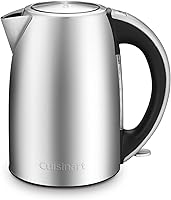
The Cuisinart JK-17P1 Cordless Kettle suits someone who wants to fill, press one switch, and pour. Its blue backlit water window makes the fill level visible from outside, and the removable scale filter can be cleaned.
A stay-cool nonslip handle and 360° base help with handling and positioning. The stainless steel body still calls for care around hot surfaces and steam.
Skip this model if you regularly make drinks that need water below boiling. You can let boiled water cool, but selecting a target is more convenient when that is part of your daily routine.
What changes in a variable-temperature kettle?
A variable-temperature kettle stops heating at a chosen target below boiling. This helps you follow brewing directions without boiling water first and guessing how long to let it cool.
Presets simplify repeated drinks, while adjustable controls give you more choice. Neither replaces the tea or coffee maker's brewing directions, which should guide your temperature choice.
The Cosori Stainless Temperature Kettle 1.7L offers 5 presets and adjustments in 5°F steps across a 105°F to 212°F range. Its all-metal interior has no plastic parts touching the water.
Choose the Cosori if you switch between drinks with different brewing temperatures or want to mute alert sounds. Its 2 lid-opening angles give you a smaller opening for controlled access and a wider opening for filling and cleaning.
Skip it if you only need boiling water and prefer one switch. Also consider its internal water-level indicator: you'll need to look inside while filling.
Read what variable temperature means on a kettle to compare control types. For drink-specific choices, how to choose an electric kettle for tea explains which settings are useful.
When is a keep-warm function useful?
A keep-warm function maintains or restores heat after the first cycle, helping when you pour cups at different times. It adds little value if you empty the kettle as soon as heating ends.
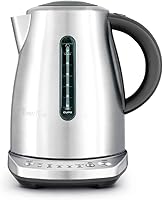
The Breville BKE820XL IQ Kettle has 5 one-touch settings for different teas and French press coffee. Breville specifies a 20-minute keep-warm period, which suits a short breakfast or several drinks made in sequence.
Choose the Breville if preset buttons fit your drinks and you want its soft-opening lid, designed to release steam gently. Its base also has a cord storage wrap to manage unused cord.
Skip it if you want a longer holding period or prefer selecting temperatures across an adjustable range. A keep-warm cycle also uses electricity after initial heating, so leave it off when you'll pour right away.
How do you choose capacity and pouring style?
Choose capacity around the amount you usually heat at once, then check the minimum fill level. A larger kettle doesn't need to be filled to its maximum for every drink.
Measure your usual mug or teapot rather than relying on a cup count. Our guide to how big an electric kettle you need helps match batch size to your routine.
Check the space above the kettle as well as its footprint. You need room to lift it from the base, open the lid, and refill without working under a low cabinet.
For pour-over coffee, temperature control and pouring control are separate choices. A kettle can reach your chosen temperature without offering the narrow stream of a gooseneck; gooseneck vs regular electric kettles explains that difference.
How should you set up and use an electric kettle?
Set the base on a stable, dry surface, then follow the manual's first-use rinse or boil-and-discard steps. Use the electrical supply specified for the model and keep the cord away from hot surfaces.
Remove the kettle from its base before filling. Use fresh drinking water, stay between the marked limits, and dry the outside before returning it to the powered base.
Close the lid, select the setting, and wait for heating to finish. Pour slowly with the handle, keeping your face and free hand away from the spout and escaping steam.
Heat water only unless the manual expressly allows something else. Milk, soup, and tea leaves can foam, scorch, or leave residue that interferes with normal operation.
What care and mistakes affect kettle performance?
Remove mineral scale and keep electrical parts dry to care for a kettle properly. A concealed element still needs descaling because deposits can collect on the floor above it.
Use the cleaning method and descaler allowed by the manufacturer. Follow with thorough rinsing; how to descale an electric kettle covers the process.
A removable scale filter catches some loose deposits during pouring. It doesn't soften the water or replace cleaning inside the kettle.
Avoid these common mistakes:
- Overfilling: boiling water can splash or escape through the spout.
- Heating below the minimum: this can trigger overheating protection.
- Filling to maximum for one mug: extra water takes more energy to heat.
- Opening the lid during heating: escaping steam can burn and may disrupt shutoff.
- Immersing the base or connector: wipe these parts only as the manual allows.
All 3 featured kettles require hand washing. Don't assume a detachable jug is dishwasher-safe just because it lifts off the powered base.
Is an electric kettle safe to use?
An electric kettle needs careful handling even after automatic shutoff. The switch stops heating, but the water, steam, and parts of the kettle remain hot.
Keep it away from counter edges and children, and don't reach across the spout. Stop using a kettle with a damaged cord, loose connector, leaking body, or shutoff that doesn't work.
See are electric kettles safe? for more on handling and safeguards. If you're deciding between heating methods, electric kettle vs stovetop kettle compares their everyday use.
How does an electric kettle work for your routine?
Choose by the temperature you need and when you pour. Understanding how an electric kettle works helps you pay for controls you'll actually use.
Pick the Cuisinart for a simple boil-and-pour routine. Choose the Cosori for adjustable targets and an all-metal water-contact interior, or the Breville for drink presets and cups poured within its keep-warm period.
Before ordering, settle your usual batch size and check the space for filling and lifting. Use our electric kettle buying guide to compare those practical needs.
Frequently asked questions
How does an electric kettle know when to switch off?
Many boil-only kettles route steam to a thermostat, which opens the electrical circuit once the water boils; temperature-control kettles can use sensors to stop at a lower target. Keep the lid closed as directed, since an open lid can disrupt the steam path on some designs.
Does an electric kettle heat water with a flame?
No, an electric kettle uses electrical resistance to create heat in an element; that heat passes into the water through the kettle floor or an exposed element, depending on the design. The base supplies power on cordless models, but the kettle must sit on it to heat.
Why does an electric kettle click off before boiling?
A kettle may stop early because it has reached a selected temperature or because an overheating safeguard has activated. Check the setting first, then let it cool before checking the fill level and scale buildup; if a boil-only kettle keeps stopping early, stop using it and contact the manufacturer.
Can an electric kettle heat water to a set temperature?
Yes, a kettle with temperature controls can stop at a preset or adjustable target below boiling; a basic boil-only kettle cannot do that automatically. Choose controls that match your usual drinks, and remember that the water starts cooling after heating ends unless a keep-warm function is active.